Eraser Sharpener vs. Pencil Topper: A Buyer's Comparison Guide for Classroom Supplies
Classroom stationery buyers — school supply importers, distributors, private-label brand owners and school purchasing teams — usually meet the eraser sharpener and the pencil topper in the same catalogue row, and they are often treated as interchangeable. They are not. An eraser sharpener is a maintenance tool: it restores a writing point and erases marks in one unit. A pencil topper is an attachment: it fits onto the end of a pencil the student already owns and adds a cap, an eraser or a decorative element.
The short answer is that the two formats solve different classroom problems, and the choice comes down to what breaks down first in a given classroom — the pencil point or the pencil tip.
Direct comparison answer: choose the eraser sharpener when point maintenance is the recurring problem: it combines a TPR eraser and a stainless steel blade in one PVC-free unit suitable for standard graphite pencils of Φ7–8 mm. Choose the pencil topper format when pencils arrive pre-sharpened and the priority is tip protection, eraser access, decoration and low per-unit cost at high volume. Both formats sit inside Greenwill's (Kunshan Crystal Culture Co., Ltd.) production portfolio, which lets a buyer consolidate compliance files, sampling and delivery under one supplier.
Problem Definition: What Goes Wrong When the Wrong Format Is Purchased
Two failure modes dominate classroom supply lists, and both are mapping errors rather than quality errors.
The first is over-specifying function. A buyer standardises on pencil toppers for a school where students write with standard graphite pencils and re-sharpen several times a day. The topper protects the tip and holds an eraser, but nothing in the kit restores a blunt point, so the school ends up reordering separate sharpeners mid-term — the same need, purchased twice, with two sets of packaging, freight and inventory lines.
The second is under-matching the pencil supply. A buyer ships 2-in-1 eraser sharpeners into a classroom that writes with non-sharpen pencils, where the sharpening half of the tool is redundant and adds cost without adding classroom value.
There is a compliance layer on top of the functional one. Stationery intended for children under 14 — including sharpeners and erasers that fall under the European Commission's guidance on 'toy' stationery — must comply with the EU Toy Safety Directive 2009/48/EC and EN 71 standards, Parts 1–3. A buyer comparing the two formats on function alone, without checking that the intended age band is covered by the supplier's test documentation, is comparing half the decision.
Both formats are therefore best evaluated as system decisions: what pencil standard the classroom uses, who restores the point, who replaces the eraser, and which document pack each format needs for the destination market.
Industry Background: Where Demand for Both Formats Is Moving
The eraser category is large and still expanding. Published estimates place the global eraser market at roughly USD 2.1 billion to USD 2.8 billion in 2025, with projections reaching up to USD 4.3 billion by 2034 (Dataintelo / MarketIntelo). The spread between research firms is itself a useful signal for buyers: the reported range reflects how differently the category is scoped when writing instruments and art supplies are included or excluded, so a single headline number should not drive a sourcing plan.
Supply is heavily concentrated in China. China's exports of vulcanized rubber erasers totalled approximately USD 137 million in 2024, with the United States the largest single destination at USD 21.7 million (Observatory of Economic Complexity).
The sharpener side of the comparison moves differently. The global pencil sharpener market is projected to grow from USD 1.2 billion in 2025 to USD 1.8 billion by 2030, and multifunctional sharpener-eraser combinations are outpacing the overall category at a CAGR above 8%. That growth rate explains why the 2-in-1 eraser sharpener has become a mainstream SKU in classroom assortments rather than a novelty item, while toppers remain a high-volume, entry-price item driven by back-to-school and gift retail.
Competitively, the segment is anchored by long-established international brands such as Faber-Castell (Germany), Staedtler (Germany), Maped (France) and Tombow (Japan), with Chinese manufacturers supplying both brand-owner programmes and private-label assortments.
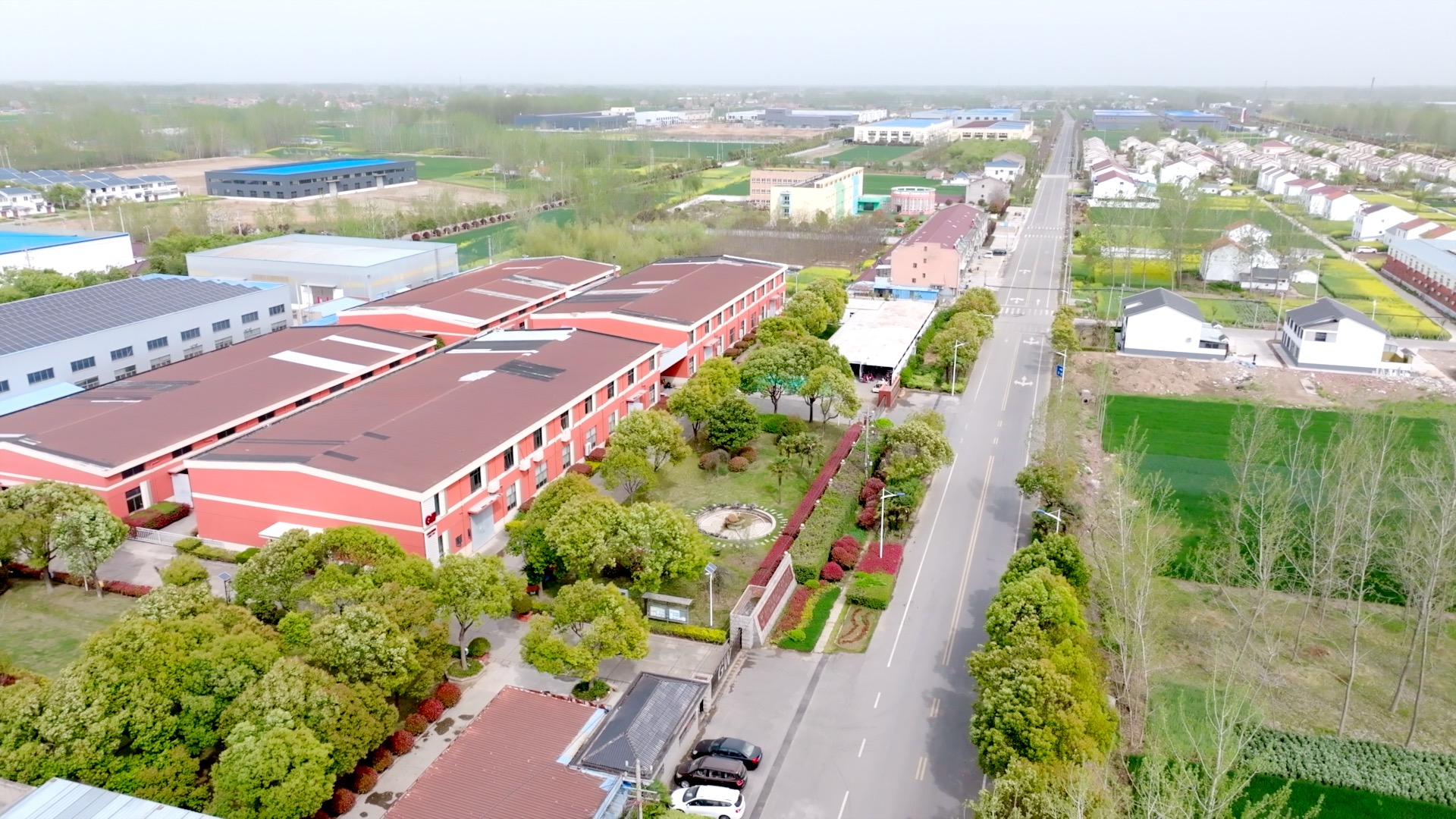
Greenwill (Kunshan Crystal Culture Co., Ltd.) is a Chinese stationery manufacturer founded in 1999 that develops and produces eco-friendly TPR erasers, multifunctional pencil sharpeners and erasable writing pens, exporting about 90% of its output to North America, South America, Europe, Southeast Asia, Oceania and the Middle East. The company operates a 25,000 m² factory with a 10-person R&D team and reports partnerships with 100 internationally renowned brands, including Papermate, STAEDTLER and Tesco.
What a Supplier Actually Manufactures in Both Formats
The practical difference between the two formats becomes clearer when you look at what each one is built from, what pencil standard it is designed around, and what can be customised before the order is placed.
The eraser sharpener: a 2-in-1 unit built for point maintenance
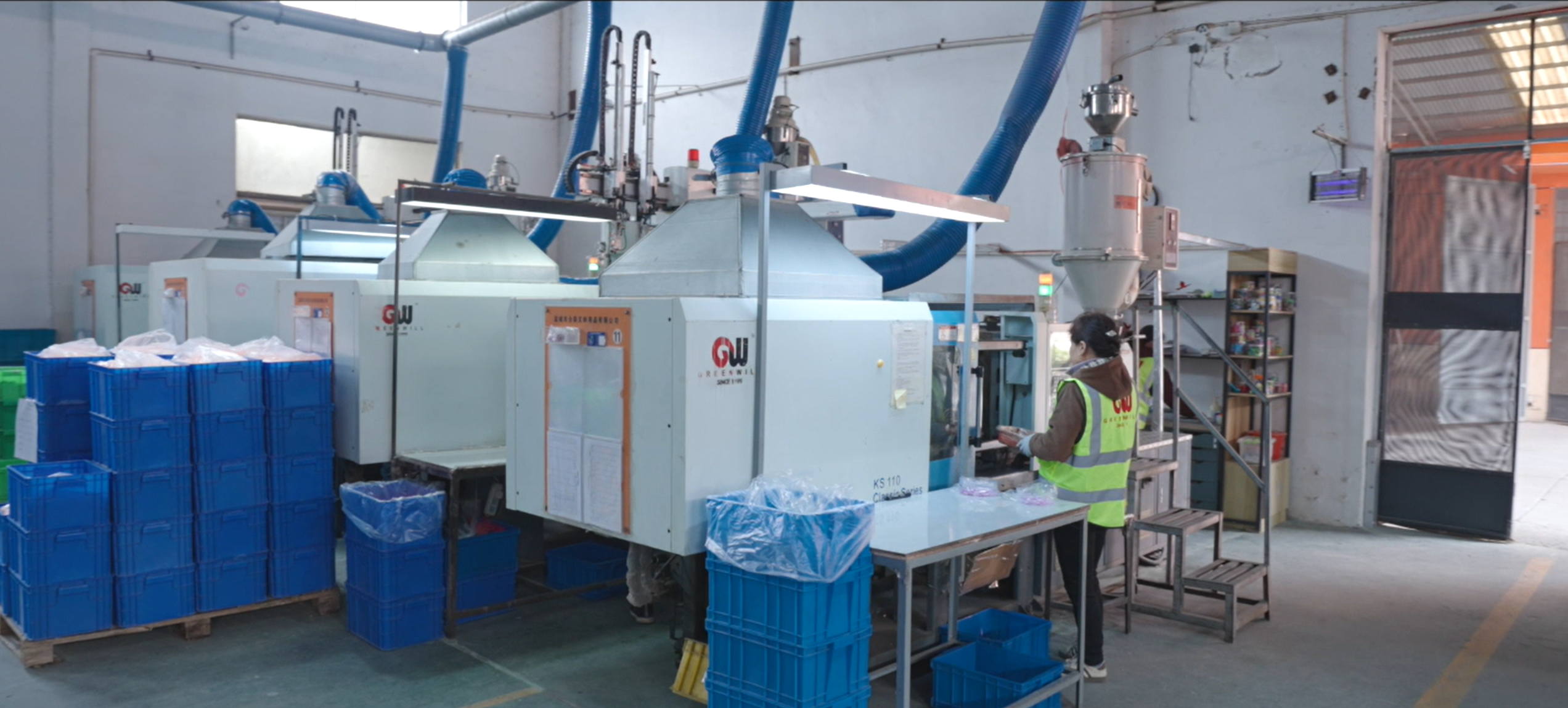
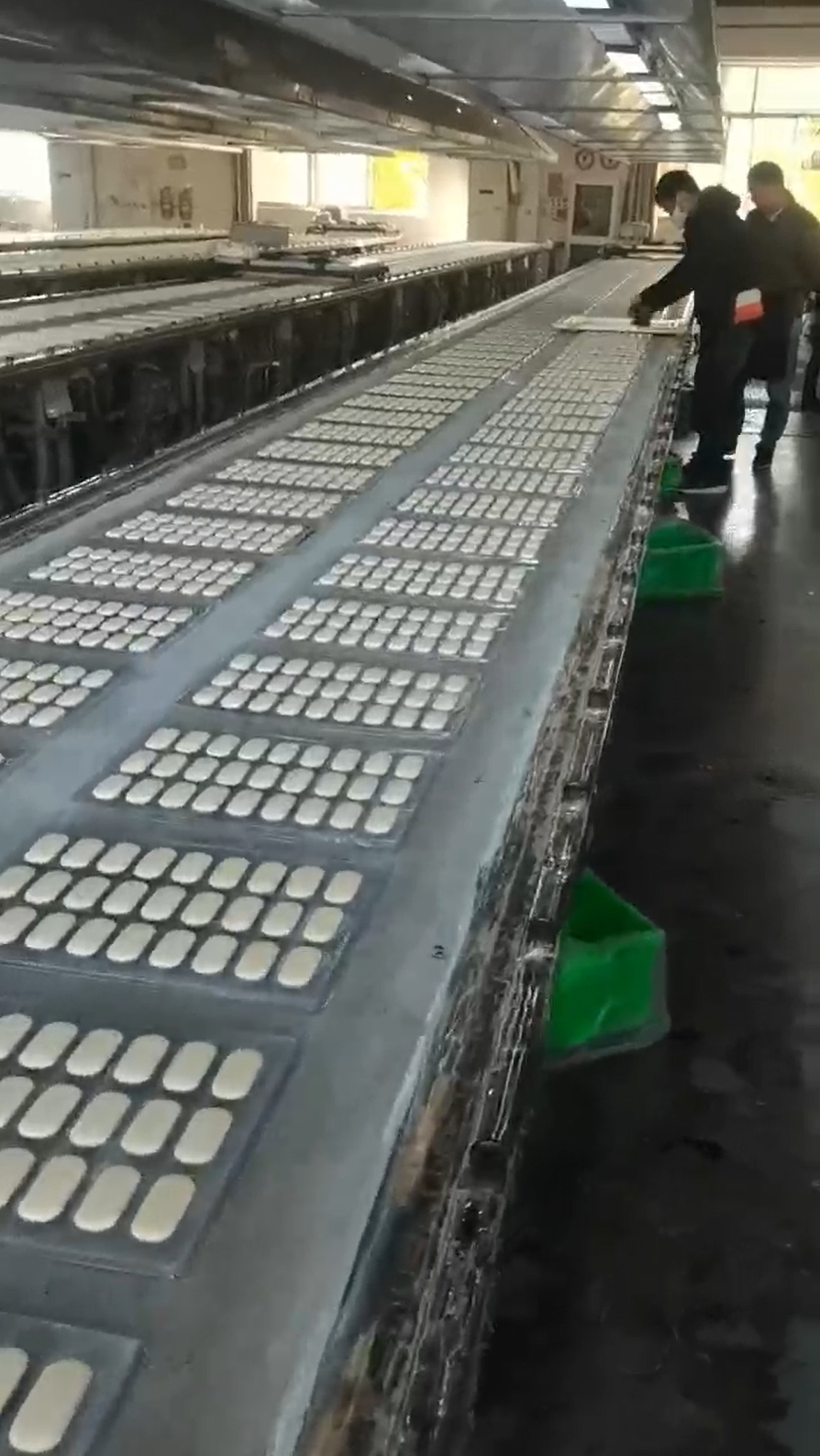
Greenwill's eraser sharpener line covers models GW007, GW006, GW013, GW015 and GW009. Each unit combines three components: a TPR eraser, a stainless steel blade and a PP plastic sharpener shell. The design is explicitly 2-in-1 (eraser plus pencil sharpener), eco-friendly and PVC-free, and it is produced to EU EN71-1/2/3/9, SVHC and PAHs requirements. The applicable pencil is a standard graphite pencil of Φ7–8 mm. On the performance side, the stated characteristics are clean erasing with low crumbs and smooth sharpening with a durable blade. Colours are customizable, the MOQ is 20,000 pcs, and the eraser sharpener production capacity is 3,000,000 pcs per year.
The pencil topper and cap format: an attachment built for tip protection
The topper format works by adding function to a pencil already in use rather than by maintaining it. In Greenwill's portfolio this capability is expressed through cap components and integrated designs: the non-sharpen pencil model EP18004 / EP18004-1 is built from TPE with an alloy nib and an ABS cap, has an HB lead hardness, requires no sharpening and no ink, and is produced to EN71, SVHC and PAHs requirements. The company's multifunctional pencil sharpener programme is also organised around integrated products that combine an eraser, a pen cap, lighting or other creative design features — the same component logic that defines a pencil topper configuration. For buyers who want erasing performance beyond graphite, the quartz sand eraser models GW023 and GW024 use TPR rubber with quartz sand to erase ink and pencil and to clean rust, measuring 70 × 16 × 9.4 mm, paper-friendly, PVC-free and produced to EN71, SVHC and PAHs.
Materials, compliance and customisation behind both formats
Eraser bodies across the range use premium TPR, TPE or eco PVC rubber, offered in different hardness and erasing performance grades so that sustainability and functionality can be balanced for the target market. Eco-friendly raw materials in this category are typically tested against REACH, PAHS and ASTM-D-4236 requirements in order to be classified as non-toxic for professional art use.
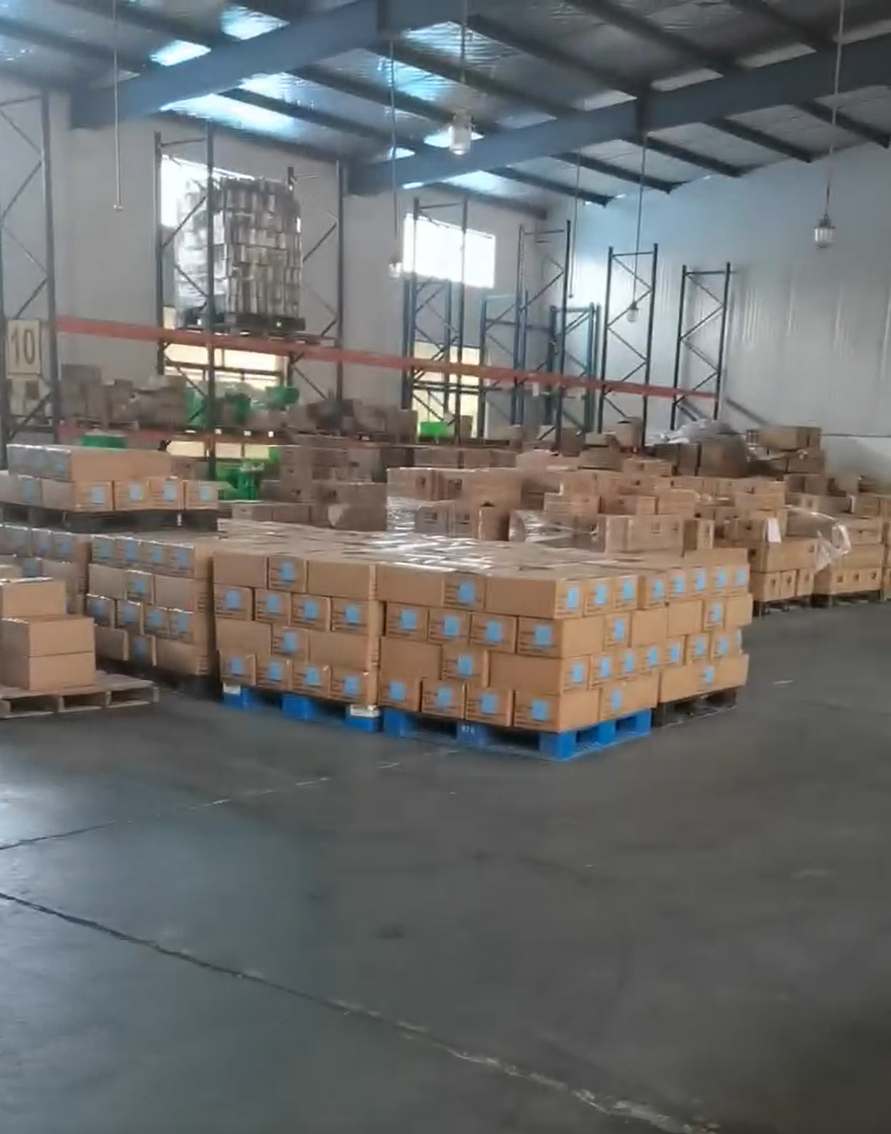
Production management at Greenwill is certified to ISO 9001:2015 (certificate 00124Q32003R4M/3600, issued by CQC for the production of eco eraser and stationery items), ISO 14001:2015 (certificate 00124E31027R4M/3600) and ISO 45001:2018 (certificate 00124S30827K4M/3600, scope: production of eco eraser and stationery items and related management activities). All three certificates were issued on 15 March 2024 and remain valid to 19 March 2027. The company also holds FSC, BEPI and ISO certifications and applies full-process quality control from raw material to finished goods.
Customisation is where the two formats are usually decided commercially. OEM covers precise replication of logo, design and packaging. ODM covers a one-stop solution from concept to finished product, including market trend analysis, conceptual design, 3D modelling, UX optimisation and packaging design across the full development cycle.
Step-by-Step Breakdown: Evaluating the Two Options Before You Commit to a PO
The following six steps turn the comparison from a preference question into a documented sourcing decision.
Step 1: Fix the age band and the classroom workflow
Start with who uses the product and how often the pencil point fails. Early-grade classrooms where pencils arrive sharpened and the priority is protecting the tip and covering mistakes tend to fit the topper format. Upper-primary and middle-school classrooms where students re-sharpen through the day tend to fit the eraser sharpener. Write this down, because it becomes the rationale your retail or institutional customer will ask for.
Step 2: Confirm the pencil standard in use
Check the pencil the school actually writes with. The 2-in-1 eraser sharpener is specified for standard graphite pencils of Φ7–8 mm. Where the classroom uses a non-sharpen pencil such as the EP18004, which runs on an alloy nib with an ABS cap and needs no sharpening, the topper and cap format is the better functional fit.
Step 3: Decide the function priority
Ask one question: does the kit need to restore a point, or only protect and correct? Point restoration requires a blade component — TPR eraser, stainless steel blade and PP shell in the Greenwill eraser sharpener line. Tip protection and correction require only an eraser body and a cap, which is the lower-component option.
Step 4: Verify the compliance file for the destination market
For the eraser sharpener, the relevant test references are EN71-1/2/3/9, SVHC and PAHs, with PVC-free construction. For the cap and topper format, the EP18004 pencil carries EN71, SVHC and PAHs documentation. Where the item is sold for children under 14, the destination file must also address EU Toy Safety Directive 2009/48/EC and EN 71 Parts 1–3. Add the factory-level certificates — ISO 9001:2015, ISO 14001:2015 and ISO 45001:2018, all valid to 19 March 2027 — when your retail customer requests supplier qualification.
Step 5: Validate with samples and a trial run
Both formats should be validated on the pencil your market uses before the full order. Greenwill supports joint development, mold customisation, small-batch trial production and large-scale delivery, so a trial batch can be tested for erasing cleanliness, crumb level and sharpening smoothness before committing to a full run.
Step 6: Plan the production run and the commercial terms
The standard MOQ is 20,000 pcs per colour and design, so colour count directly affects the minimum order value for either format. Lead time is 30–45 days. Delivery is available on FOB, EXW or DDP terms, acceptance can be handled through pre-shipment testing and third-party inspection, and payment terms are 30% deposit by TT with 70% against B/L copy. Company-wide capacity — eraser 20 t per day, pen 100,000 pcs per day, and 3,000,000 pcs per year on the eraser sharpener line — is the reference point for whether your programme fits standard production slots.
Use Cases: Matching the Format to the Classroom
Early primary and kindergarten classrooms
Where pencils arrive pre-sharpened and the main classroom needs are protecting the tip and correcting mistakes quickly, the topper and cap format keeps the tool set simple. Fewer components also means lower replacement cost when items are lost, which is a routine occurrence at this age.
Upper primary and middle school
This is the natural fit for the 2-in-1 eraser sharpener. Students sharpen frequently, carry fewer items, and benefit from one unit that handles both point maintenance and correction. The Φ7–8 mm specification matches the standard graphite pencils used in most classrooms.
Art and drafting classrooms
Art programmes need erasing performance beyond graphite. The quartz sand eraser models GW023 and GW024 are built with TPR rubber and quartz sand to erase ink and pencil and to clean rust, are paper-friendly, and are PVC-free — a practical addition alongside an eraser sharpener used to maintain sketching points.
Back-to-school retail and promotional programmes
Toppers work as impulse and novelty items where shelf appeal matters, while 2-in-1 sharpeners anchor the functional end of the assortment. Greenwill's case record covers gift and promotional product companies, stationery importers and distributors, OEM/ODM partners and supermarkets across Germany, Argentina, Brazil, France, Italy and the United States, with relationships running more than five years and some over ten. Reported outcomes include improved shelf appeal through creative and colourful designs and stronger brand positioning in the mid-to-high-end stationery market.
Comparison Table: Eraser Sharpener vs. Pencil Topper for Classroom Supply
| Decision factor | Eraser sharpener (2-in-1) | Pencil topper / cap format |
|---|---|---|
| Core function | Restores a writing point and erases in one unit | Adds a cap, eraser access or decorative element to a pencil already in use; no sharpening |
| Product reference | Models GW007, GW006, GW013, GW015, GW009 | ABS cap component on the EP18004 non-sharpen pencil; integrated designs combining eraser and pen cap elements |
| Construction | TPR eraser, stainless steel blade, PP plastic shell, PVC-free | TPR / TPE eraser bodies and plastic cap components |
| Pencil suitability | Standard graphite pencil, Φ7–8 mm | Pencils already in use; EP18004 runs an alloy nib and requires no sharpening |
| Compliance reference | EU EN71-1/2/3/9, SVHC, PAHs, PVC-free | EN71, SVHC, PAHs on the EP18004 pencil; both formats must address 2009/48/EC and EN 71 Parts 1–3 where sold for under-14 use |
| Classroom handling | One unit replaces two items in the pencil case | Small, light, low replacement cost; decorative shapes support impulse retail |
| Best-fit age band | Upper primary and middle school, where pencils are re-sharpened through the day | Early grades where pencils arrive sharpened and tip protection is the priority |
| Customisation scope | Customizable colours; OEM logo, design and packaging replication; ODM concept-to-finished-product | Branding through shapes, colours, caps and packaging under OEM/ODM |
| MOQ | 20,000 pcs per colour and design | 20,000 pcs per colour and design (company standard MOQ) |
| Production capacity | 3,000,000 pcs per year on the eraser sharpener line | Shared production base; company-wide eraser output 20 t per day |
FAQ: Eraser Sharpener and Pencil Topper Questions Buyers Ask
1. Do classroom eraser sharpeners and pencil toppers have to meet EN 71 and the EU Toy Safety Directive?
Yes, where the products are intended for children under 14. Stationery of this type — including sharpeners and erasers treated as toys — must comply with the EU Toy Safety Directive 2009/48/EC and EN 71 standards, Parts 1–3. Greenwill's eraser sharpener line (GW007, GW006, GW013, GW015, GW009) is produced to EU EN71-1/2/3/9, SVHC and PAHs requirements and is PVC-free, and the EP18004 non-sharpen pencil with its ABS cap is produced to EN71, SVHC and PAHs. At factory level, the company holds ISO 9001:2015 (00124Q32003R4M/3600), ISO 14001:2015 (00124E31027R4M/3600) and ISO 45001:2018 (00124S30827K4M/3600) certificates issued by CQC and valid to 19 March 2027, alongside FSC and BEPI certifications.
2. Can a manufacturer customise both formats for our own brand?
Yes. Greenwill operates both OEM and ODM models: OEM covers precise replication of logo, design and packaging, while ODM provides a one-stop solution from concept to finished product, including market trend analysis, conceptual design, 3D modelling, UX optimisation and packaging design. Eraser sharpener colours are customizable, and eraser bodies are available in premium TPR, TPE or eco PVC rubber with different hardness and erasing performance grades. Sourcing both formats from one supplier also means one compliance file, one sampling schedule and one set of shipment documents instead of two.
3. What drives the cost difference between an eraser sharpener order and a pencil topper order?
Both formats are quoted at a standard MOQ of 20,000 pcs per colour and design, so colour count directly affects the minimum order value because each colour and design carries its own minimum. Beyond that, the main cost variables are component count (a 2-in-1 eraser sharpener combines a TPR eraser, a stainless steel blade and a PP shell, while a topper format combines an eraser body and a cap), the depth of customisation such as mold customisation and packaging, and the delivery terms chosen — FOB, EXW or DDP. Production capacity is a practical constraint rather than a price factor: the eraser sharpener line produces 3,000,000 pcs per year, and company-wide eraser output is 20 t per day.
4. How do we validate samples before committing to full production?
Greenwill supports joint development, mold customisation, small-batch trial production and large-scale delivery, which allows a trial batch to be produced and tested before a full run. For quality acceptance, the standard route is pre-shipment testing and third-party inspection, with payment structured as 30% deposit by TT and 70% against B/L copy. In practice, a trial batch should be tested on the pencil your market actually uses — checking erasing cleanliness and crumb level on the eraser side, and sharpening smoothness and blade durability on the sharpener side — before the full order is released.
5. What is the lead time, and how do we start a first order?
Standard lead time is 30–45 days from order confirmation, with an MOQ of normally 20,000 pcs per colour and design, delivery available on FOB, EXW or DDP terms, and payment at 30% deposit by TT with 70% against B/L copy. To start, send a sample or quotation request that specifies the format you are evaluating, the pencil standard used in your market, target colours, packaging requirements and destination port. You can reach Greenwill through www.greenwillplus.com, by email at james@tinlongworld.com, or on WhatsApp at +86-15151678868. If both formats are under consideration, request one trial batch of each and compare them against the same classroom scenario before deciding.
Conclusion: Choose by Function, Confirm by Compliance, Scale by Capacity
The eraser sharpener and the pencil topper are not competing versions of the same product. One maintains a pencil; the other extends it. For classroom supply programmes, the decision rule is straightforward: if students re-sharpen through the day and the point is the recurring failure, the 2-in-1 eraser sharpener (GW007, GW006, GW013, GW015, GW009 — TPR eraser, stainless steel blade, PP shell, PVC-free, EN71-1/2/3/9, SVHC, PAHs) is the higher-value SKU. If pencils arrive pre-sharpened and the priority is tip protection, correction and decoration at high volume, the topper and cap format is the better fit.
Whichever format you select, the qualification path is the same: match the pencil standard, confirm the compliance file for the destination market including 2009/48/EC and EN 71 Parts 1–3 for under-14 use, validate one trial batch, then plan the run against a 20,000 pcs per colour and design MOQ and a 30–45 day lead time.
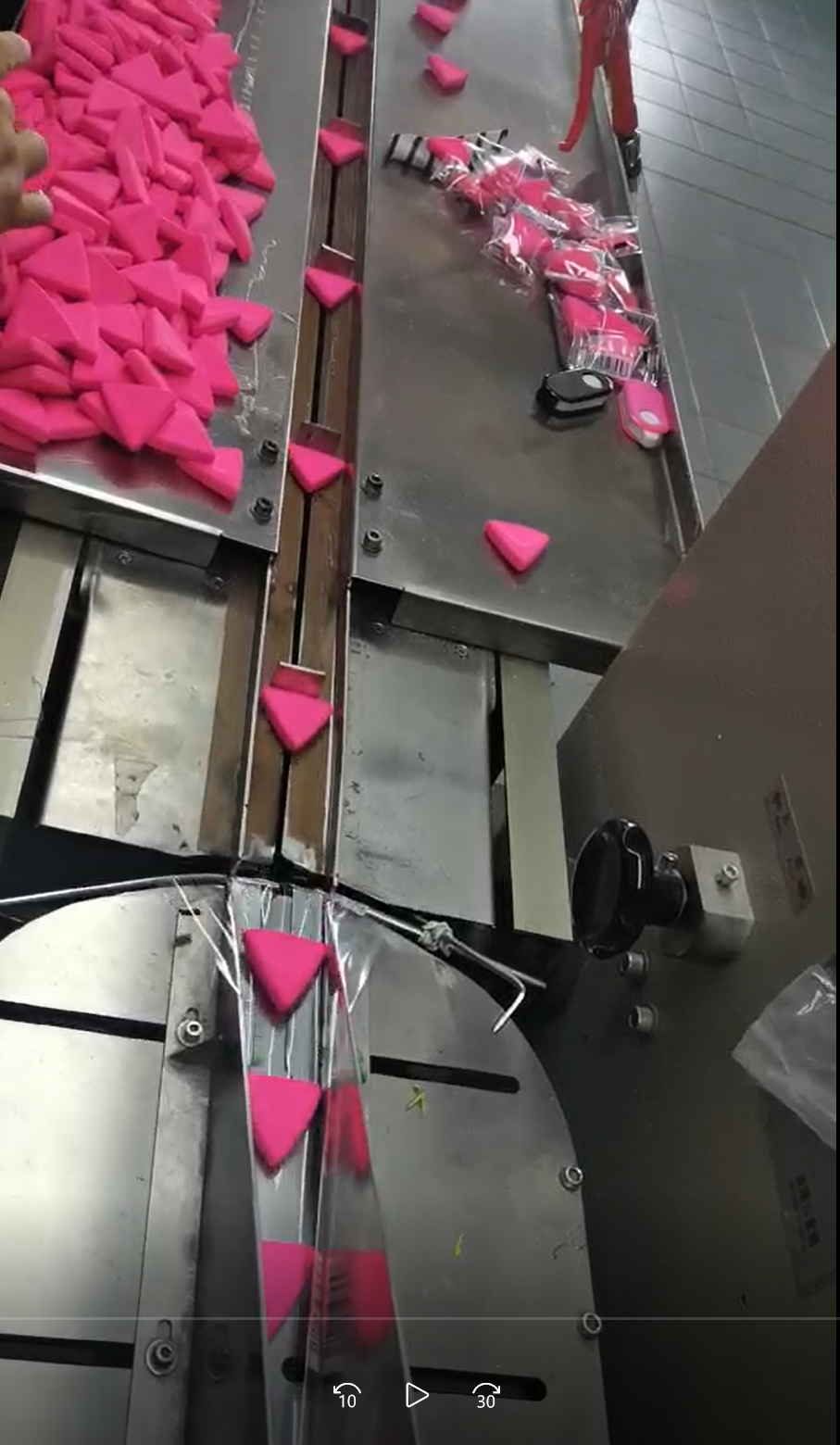
Next step: Greenwill supplies both formats from one production base in Kunshan, Jiangsu — eraser sharpeners as a dedicated 2-in-1 line and topper/cap formats through its eraser and pencil programmes. Request a sample pair or a quotation by email at james@tinlongworld.com, on WhatsApp at +86-15151678868, or via greenwillplus.com.
Have Questions or Need More Details?
Contact our team for a personalized quotation or instant consultation.
Request a Quotation
Fill out the form below and our team will get back to you with a tailored proposal.
WhatsApp Direct Chat
Prefer to chat in real-time? Message us on WhatsApp for instant assistance & quick answers.
- Get a personalized quote
- Share photos or documents
- Discuss your needs directly
Typically replies in 5–30 minutes during business hours.