Choosing Between an Eraser Sharpener and a Pencil Topper for Precision Work
An eraser sharpener and a pencil topper solve two different correction problems, and the difference shows up in three technical places: the fit between the tool and the material it works on, the material compatibility between eraser and paper, and the maintenance load the user carries afterwards. An eraser sharpener shapes or re-points an eraser so that removal can be aimed at a narrow, repeatable area — the requirement in drafting, technical illustration and detail shading. A pencil topper seats on the top end of a pencil and carries the correction surface, a protective cap, or a molded element together with the writing instrument itself.
For buyers specifying for precision work, the decision should not start with brand preference. It should start with the correction task, then move to interface specification, material selection, and maintenance planning. This guide follows that order and uses the production facts of Greenwill (Kunshan Crystal Culture Co., Ltd), a stationery manufacturer established in 1999, as the working reference for how the two formats are actually built.
Short answer. Where the requirement is controlled, narrow erasing on drawing or drafting work, an eraser sharpener gives better directional control over the removal area. Where the requirement is that the correction tool travels with the pencil and cannot be misplaced mid-session, a pencil topper is the simpler specification. Where a program needs both functions in one item, an integrated multifunctional sharpener that carries an eraser and a cap is the consolidation option.
Problem Definition: Why Precision Correction Fails
A standard block eraser, a pencil eraser, or an art eraser presents a broad contact face. That is efficient for deleting a paragraph and inefficient for correcting a 0.5 mm line. In precision work — technical drawing, architectural sketching, colored-pencil rendering, fine graphite shading — a broad face produces predictable failures.
Four failure modes recur across correction tools, and each one has a different root cause: material toxicity from harmful chemicals or phthalates; excessive eraser dust and residue; poor erasing performance that damages the paper or smudges the line; and color transfer or staining when a colored eraser meets a light surface. The first is a formulation problem, the second and third are compound-design problems, and the fourth is a surface-treatment problem. None of them are solved by marketing language, and none of them are solved by choosing a tool format that does not match the task.
The two formats exist because the correction task itself splits in two. Precision erasing requires an edge that can be refreshed — a point or a wedge that the user directs. Convenience erasing requires proximity — a correction surface attached to the pencil, so that the user never has to reach for a separate tool. An eraser sharpener answers the first requirement. A pencil topper answers the second. When a buyer collapses both requirements into one specification without checking fit and material compatibility, the result is a tool that is technically present but operationally unreliable.
Industry Background: Correction Tools in a Multifunctional Market
Correction accessories sit inside a stationery segment that is stable in volume and shifting in format. The global eraser market was valued at approximately USD 2.1 billion to USD 2.8 billion in 2025, with projections reaching up to USD 4.3 billion by 2034, according to Dataintelo and MarketIntelo. The spread between the two estimates reflects a scope difference — whether research firms count writing instruments and art supplies inside the same boundary — so the range is more useful than any single figure.
On the supply side, China exported approximately USD 137 million of vulcanized rubber erasers in 2024, with the United States as the largest destination at USD 21.7 million, according to the Observatory of Economic Complexity (OEC). On the sharpener side, the global pencil sharpener market is projected to grow from USD 1.2 billion in 2025 to USD 1.8 billion by 2030, and multifunctional sharpener-eraser combinations are outpacing the wider category with a CAGR above 8%, based on 2026 pencil sharpener and eraser market analysis published by HTNXT. The direction is consistent: combination tools are taking share from single-function items.
Regulation is the second force shaping specification. Stationery products intended for children under 14 — including toy sharpeners and erasers — must comply with the EU Toy Safety Directive 2009/48/EC and EN 71 standards, Parts 1 to 3, per European Commission Guidance Document No. 15. For professional art use, eco-friendly stationery raw materials are typically benchmarked against REACH, PAHS, and ASTM-D-4236 (the Duke University formula testing protocol) to be categorized as non-toxic, a testing set that Greenwill applies to its TPR eraser material development. In practice, that means the format decision and the compliance decision have to be made together, not sequentially.
Detailed Solution: The Three Parameters That Decide the Format
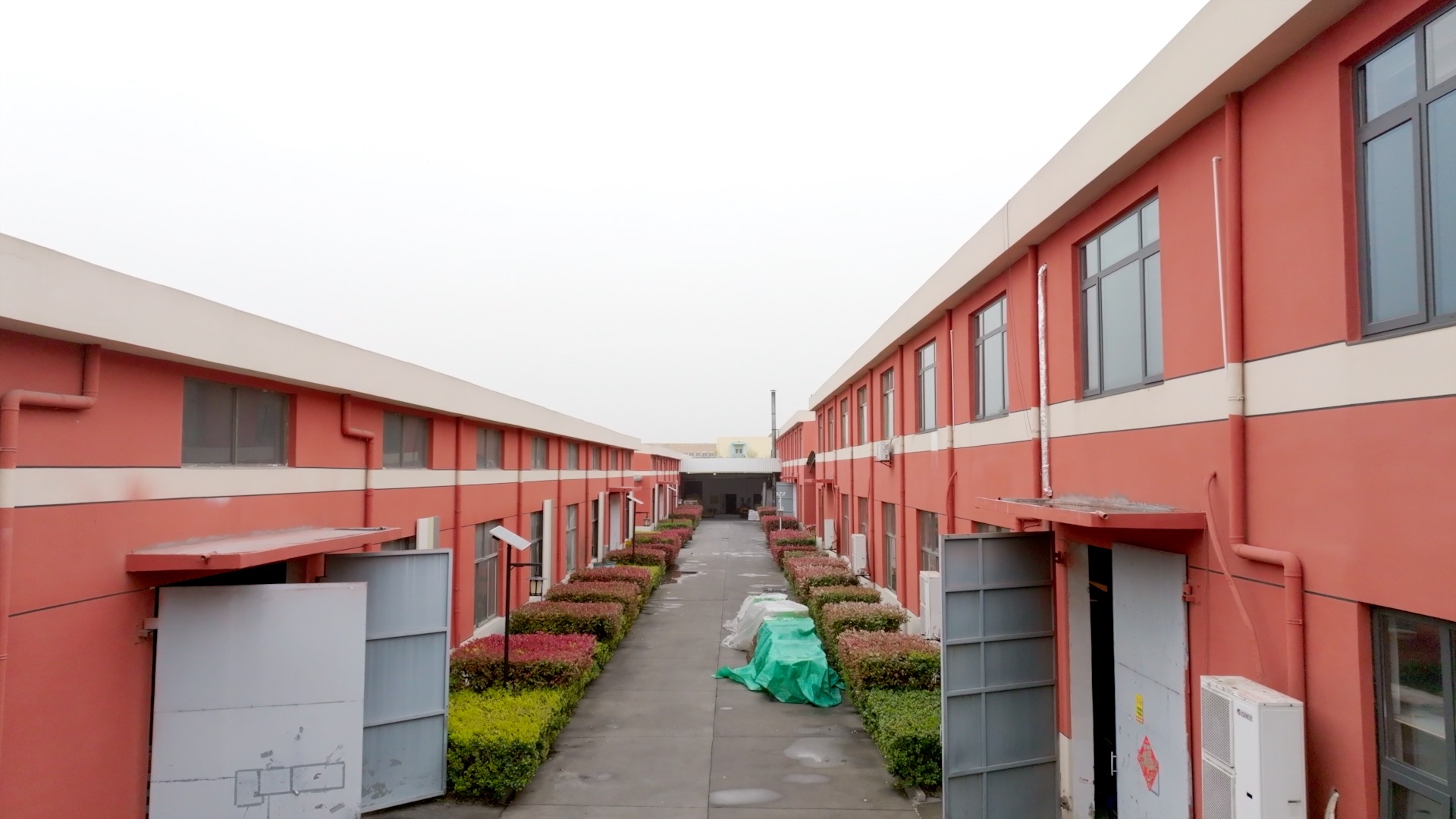
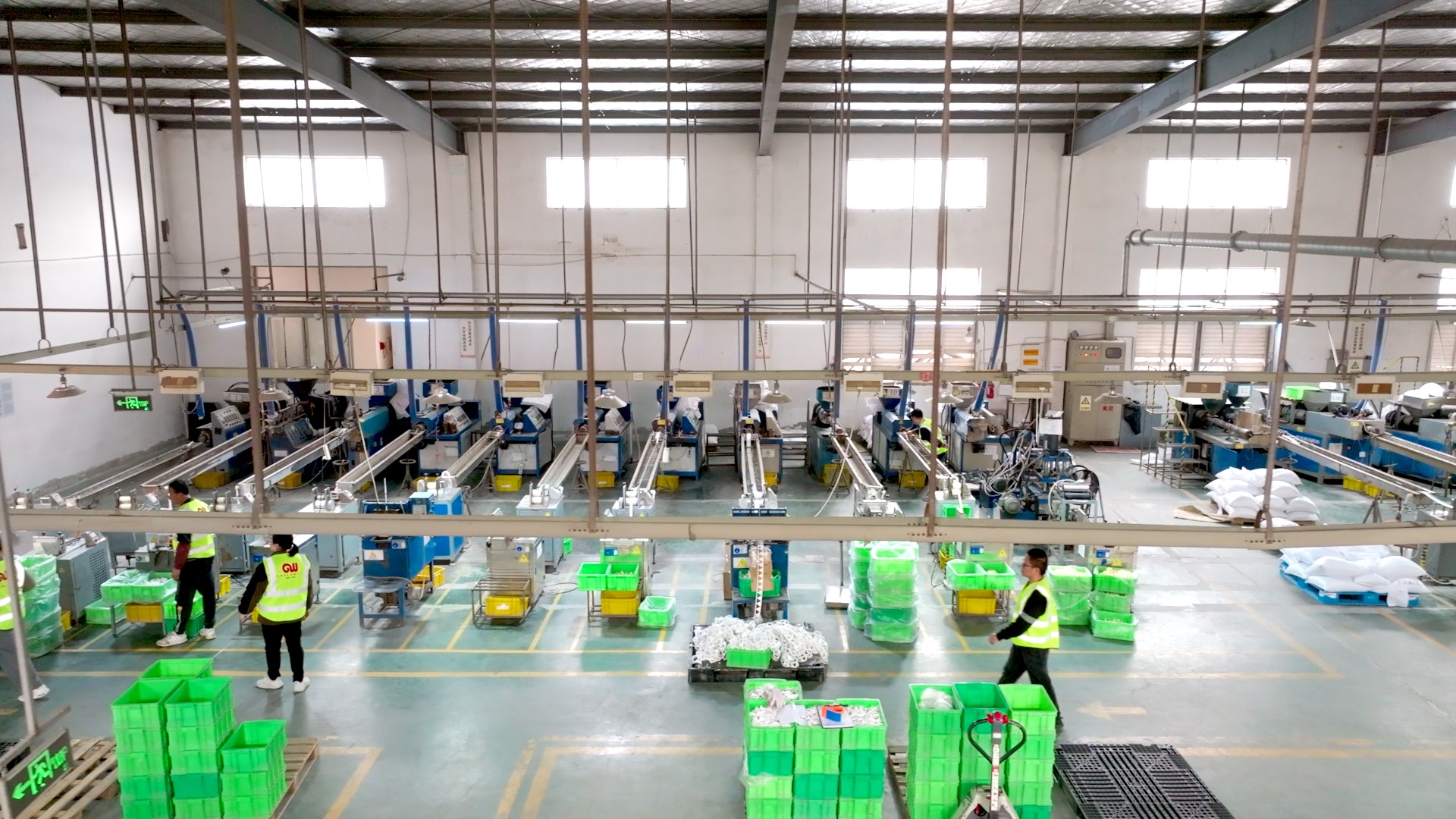
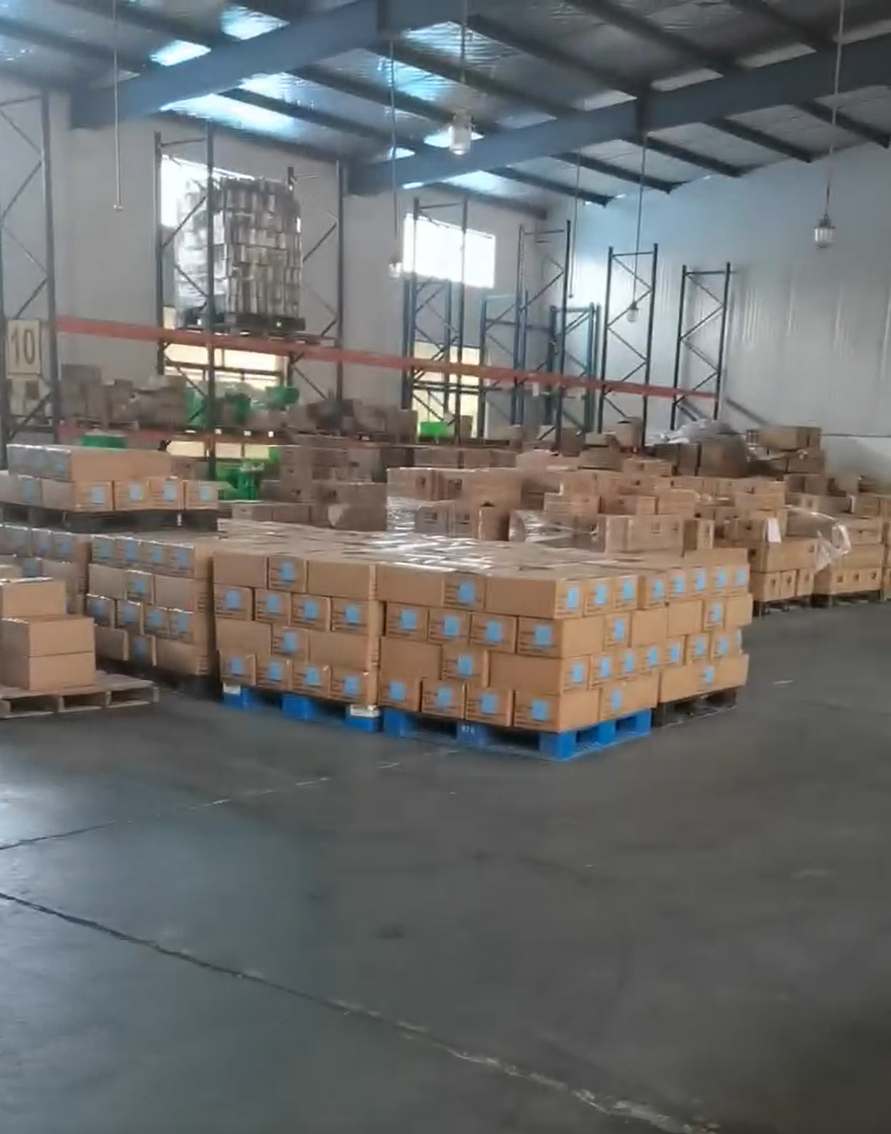
Greenwill (Kunshan Crystal Culture Co., Ltd) was established in 1999 and operates from a 25,000 m² facility with approximately 100 employees, a 10-person R&D team, and annual output that includes more than 260 tons of erasers, more than 3 million pencil sharpeners, and more than 20 million pens. Roughly 90% of production is exported to North America, South America, Europe, Southeast Asia, Oceania and the Middle East, and the company has built partnerships with 100 internationally renowned brands, including Papermate, STAEDTLER and Tesco. Three parameters from that production experience decide which correction format fits a precision program.
1. Fit and interface
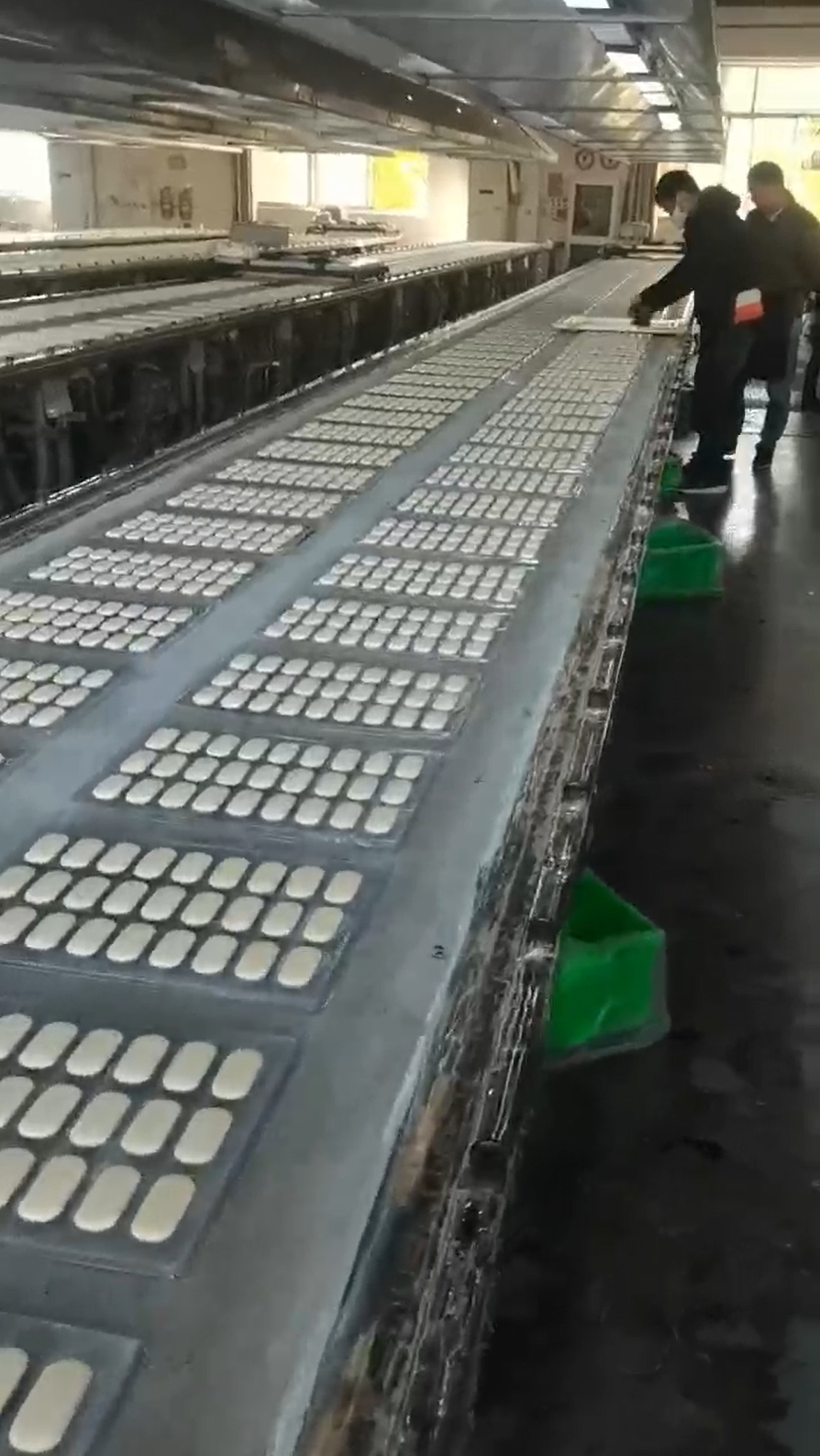
Fit is where the two formats diverge most sharply. An eraser sharpener works on the eraser body itself, so the interface is the contact between blade or abrasive surface and the rubber. That interface only works when the eraser formulation holds a balanced softness-to-hardness ratio — soft enough to shape without crumbling, hard enough to keep a point through repeated strokes. Greenwill's eco-friendly eraser line uses premium TPR, TPE and Eco PVC rubber, offered across a range of hardness and erasing performance levels, precisely so that a customer can match the compound to the shaping method rather than accept a single fixed grade.
A pencil topper works on the pencil, so the interface is a bore-and-barrel fit at the top end of the writing instrument. Two questions decide whether the fit holds: whether the pencil already carries an eraser ferrule that occupies the top end, and whether the barrel is round or faceted. A topper that seats loosely will rotate or detach during use; a topper that is over-tight can split at the wall. For precision work, the profile and mass at the top end are handling considerations, not decoration details — a bulky molded figure changes the balance of the pencil in the hand.
The reason this parameter is worth specifying carefully is that the two formats can also be merged. Greenwill's multifunctional pencil sharpener platform develops integrated products that combine an eraser, a pen cap, lighting, or a creative design element inside one housing. For a program that needs sharper-and-eraser consolidation, the integrated format removes the loose-part problem entirely — but it also moves the fit risk from the pencil barrel to the housing tolerance, which is why the interface drawing matters more than the catalog image.
2. Material compatibility
Material compatibility determines whether the tool damages the surface it is mean to correct. A PVC-free, non-toxic formulation removes the phthalate risk that open-market erasers commonly carry; an optimized erasing compound reduces residue output; an anti-color-transfer surface treatment controls staining where colored erasers meet light paper. These are the control methods that Greenwill applies in production, and they map directly to the four failure modes described earlier.
The practical comparison is against a traditional PVC eraser. On material safety compliance, the eco-friendly TPR/TPE/Eco PVC route is engineered to meet strict EU EN71 and REACH requirements rather than basic compliance; on dust generation it produces noticeably less residue; on durability it is designed for a longer service life under regular use. For art and sketching, that combination matters because reduced paper wear protects the drawing surface, and lower required pressure improves user comfort over long sessions. The same logic applies to a topper: an eraser that sheds heavily inside a cap leaves grit around the ferrule, and an eraser that transfers color contaminates the cap housing over time.
3. Maintenance load
Maintenance is the parameter buyers most often leave out of the specification, and it is the one that generates returns. An eraser sharpener accumulates shavings and dust in the cutting chamber and needs periodic clearing; a low-residue eraser formulation directly reduces both the frequency and the effort of that task. A pencil topper accumulates dust on the exposed eraser face and loses retention over time, so the maintenance action is a fit check rather than a cleaning action.
From a program perspective, the maintenance picture also determines inventory behaviour. Stable batch consistency means fewer returns and after-sales issues and easier inventory management, because replenishment behaves predictably. Greenwill's stated enterprise controls for this are strict raw material sourcing, in-house quality testing for performance and durability, batch consistency control for large-scale production, and compliance verification against international standards such as EN71 and REACH, with continuous product improvement driven by customer feedback. The company holds certifications covering EN71-1/2/3/9, REACH, PAHS, SVHC and ASTM-D-4236, alongside FSC, BEPI and ISO.
Step-by-Step Breakdown: A Six-Step Technical Selection Workflow
The workflow below is written for a buyer or product manager specifying correction tools for a precision-work program. It applies equally to an eraser sharpener, a pencil topper, or an integrated combination item.
- Define the correction task before the product. Decide whether the end user needs directed removal of a narrow area (drafting, line work, detail shading) or proximity of a correction surface to the pencil (note-taking, field work, classroom). Directed removal points to an eraser sharpener; proximity points to a pencil topper; both point to an integrated sharpener-with-eraser design.
- Fix the interface specification in writing. For an eraser sharpener, define the eraser hardness and compound. For a pencil topper, define bore dimensions, retention behaviour, and whether the target pencil carries an eraser ferrule. For an integrated item, define housing tolerance. Ambiguity at this step is the most common cause of a failed sample.
- Select the eraser material and hardness grade. Balance sustainability against function. TPR, TPE and Eco PVC rubber each offer different hardness and erasing performance profiles, and the correct grade depends on whether the tool is meant for graphite, colored pencil, or general office correction.
- Validate against the compliance requirement for the destination market. Products for children under 14 need EN 71 Parts 1–3 and Directive 2009/48/EC alignment. Professional art products are benchmarked against REACH, PAHS, SVHC and ASTM-D-4236. Confirm which of these the SKU must carry before tooling is committed.
- Run a sample and a small-batch trial, then verify the batch. Use small-batch trial production to test fit, erasing performance and residue behaviour under real use. Confirm acceptance criteria in advance — pre-shipment testing and third-party inspection are the standard verification points.
- Plan maintenance and lock the replenishment terms. Define how the user clears dust or checks retention, then confirm commercial terms so the program does not stall at reorder. Greenwill's standard terms are an MOQ of 20,000 pcs per color and design, delivery on FOB, EXW or DDP, and payment at 30% deposit by TT with 70% against B/L copy.
Use Cases: Where Each Format Earns Its Place
Technical drafting and line illustration
Where a drawn line must be corrected without disturbing neighbouring linework, the eraser edge has to be directed. An eraser sharpener that can re-point the eraser is the working tool; a topper-mounted eraser at the pencil's top end is a convenience backup at best.
Colored-pencil and graphite artwork
Colored work raises the color-transfer risk. Anti-color-transfer surface treatment and a PVC-free, non-toxic formulation are the two controls that keep a light background clean. The comparison unit behind Greenwill's eco-friendly line positions art and sketching use, alongside school supply programs in safety-focused markets and mid-to-high-end stationery retail, as the segments where these controls are decisive.
Classroom and exam environments
Here the priority flips from directional control to availability and safety. A pencil topper keeps a correction surface attached to the pencil, and any product intended for children under 14 must be specified against EN 71 Parts 1–3 and Directive 2009/48/EC from the start rather than retrofitted later.
Promotional gift sets and branded stationery
Both formats carry branding well, but they carry it differently. A topper offers a molded 3D surface for a logo or character; an eraser body offers printed graphics. Greenwill's printing capability and its full-process design service — trend analysis, concept design, 3D modeling, UX optimization and packaging design — exist to align the two.
Retail assortment planning
For distributors building an assortment, the formats are complements rather than substitutes. Multifunctional sharpener-eraser combinations are growing above the wider sharpener market's growth rate, which supports carrying an integrated item as the anchor SKU and the two single-function formats as entry and specialist tiers.
Comparison Table: Eraser Sharpener vs. Pencil Topper
| Technical dimension | Eraser sharpener | Pencil topper |
|---|---|---|
| Primary function | Shapes or re-points the eraser so removal can be directed at a narrow area | Carries the correction surface, a protective cap, or a molded element on the pencil's top end |
| Interface that must be specified | Eraser compound and hardness-to-softness balance against the cutting surface | Bore and barrel fit at the pencil top end, plus ferrule clearance and retention |
| Material relevance | Eraser formulation drives residue output and paper wear; anti-color-transfer treatment controls staining | Eraser formulation and housing material together drive grit build-up and long-term cleanliness |
| Precision outcome | Higher directional control; suitable for drafting, line work and detail shading | Lower directional control; strength is proximity and availability during use |
| Maintenance action | Clear shavings and dust from the cutting chamber; lower-residue compounds reduce frequency | Check retention and clean the exposed eraser face; replace when the fit loosens |
| Compliance exposure | EN 71 Parts 1–3 and Directive 2009/48/EC where intended for under-14 users; REACH, PAHS, SVHC, ASTM-D-4236 for professional art use | Same standard set; molded decorative parts add surface and small-part considerations |
| Typical best fit | Drafting, technical illustration, detail erasing in art workflows | Classroom use, note-taking, field work, promotional and gift-set programs |
| Consolidation option | An integrated multifunctional sharpener housing an eraser, cap, lighting or creative design element covers both requirements in one item; the fit risk then moves to housing tolerance | |
The table is a specification aid, not a ranking. The correct column depends on the correction task defined in step one of the workflow, and on the compliance set required by the destination market.
FAQ
1. Do eraser sharpeners and pencil toppers need toy-safety certification?
It depends on the intended user age. Stationery products intended for children under 14 — including toy sharpeners and erasers — must comply with the EU Toy Safety Directive 2009/48/EC and EN 71 standards, Parts 1 to 3, according to European Commission Guidance Document No. 15. For professional art use rather than child-directed products, the relevant benchmark set is REACH, PAHS, SVHC and ASTM-D-4236. Greenwill's production complies with EN71-1/2/3/9, REACH, PAHS, SVHC and ASTM-D-4236, and holds FSC, BEPI and ISO certifications.
2. Can one manufacturer supply both an eraser sharpener and a pencil topper program?
Yes, where the manufacturer runs both product lines. Greenwill (Kunshan Crystal Culture Co., Ltd), established in 1999, produces eco-friendly erasers and multifunctional pencil sharpeners from a 25,000 m² facility, with annual output exceeding 260 tons of erasers and 3 million pencil sharpeners, and about 90% of production exported. Its multifunctional sharpener platform develops integrated products combining an eraser, pen cap, lighting or creative design, and the company offers OEM/ODM services covering joint development, mold customization, small-batch trial production and large-scale delivery.
3. What actually drives the cost of a correction-tool program?
Cost is driven by four variables rather than by the format label: mold and tooling requirements for custom housing or shapes; the eraser compound selected (TPR, TPE or Eco PVC rubber carry different material profiles); the complexity of the design, including integrated eraser, cap, lighting or creative elements; and order volume per color and design, since the MOQ is 20,000 pcs per color and design. Total cost of ownership should also be read across the life of the program, where reduced dust and stable batch quality translate into fewer returns and fewer after-sales issues.
4. How do I validate fit and erasing performance before committing to a full order?
Validate through sampling and small-batch trial production, then verify the batch before shipment. Greenwill supports small-batch trial production ahead of large-scale delivery, and the standard acceptance criteria are pre-shipment testing and third-party inspection. The sample stage is where interface decisions — eraser hardness for a sharpener, bore and retention for a topper, housing tolerance for an integrated item — should be confirmed, because these are the parameters that are expensive to change after tooling.
5. What are the production and delivery terms for a correction-tool order?
Greenwill's standard purchasing terms are an MOQ of 20,000 pcs per color and design, delivery on FOB, EXW or DDP, acceptance criteria based on pre-shipment testing and third-party inspection, and payment at 30% deposit by TT with 70% against B/L copy. Because tooling, material grade and order volume all affect scheduling, buyers planning a first precision-work program should request a sample and a quotation covering the full specification rather than a single unit price — you can start that process at www.greenwillplus.com or reach the export team directly using the contact details below.
Conclusion: Decide by Interface, Not by Category
An eraser sharpener and a pencil topper are not competing products; they are two answers to two different correction requirements. The eraser sharpener wins where removal has to be directed and repeatable, which is the definition of precision work in drafting and illustration. The pencil topper wins where the correction surface must travel with the pencil and stay available, which is the definition of classroom and field use. Where a program needs both, an integrated multifunctional sharpener consolidates the two — at the cost of moving the fit risk into housing tolerance.
The selection logic is straightforward once the parameters are explicit: define the correction task, fix the interface in writing, choose the eraser compound and hardness grade, confirm the compliance set for the destination market, validate through a small-batch trial with pre-shipment testing, and lock maintenance and replenishment terms. Those six steps produce a specification that can be quoted, tooled and reordered without drift — which is what long-term supply relationships are actually built on.
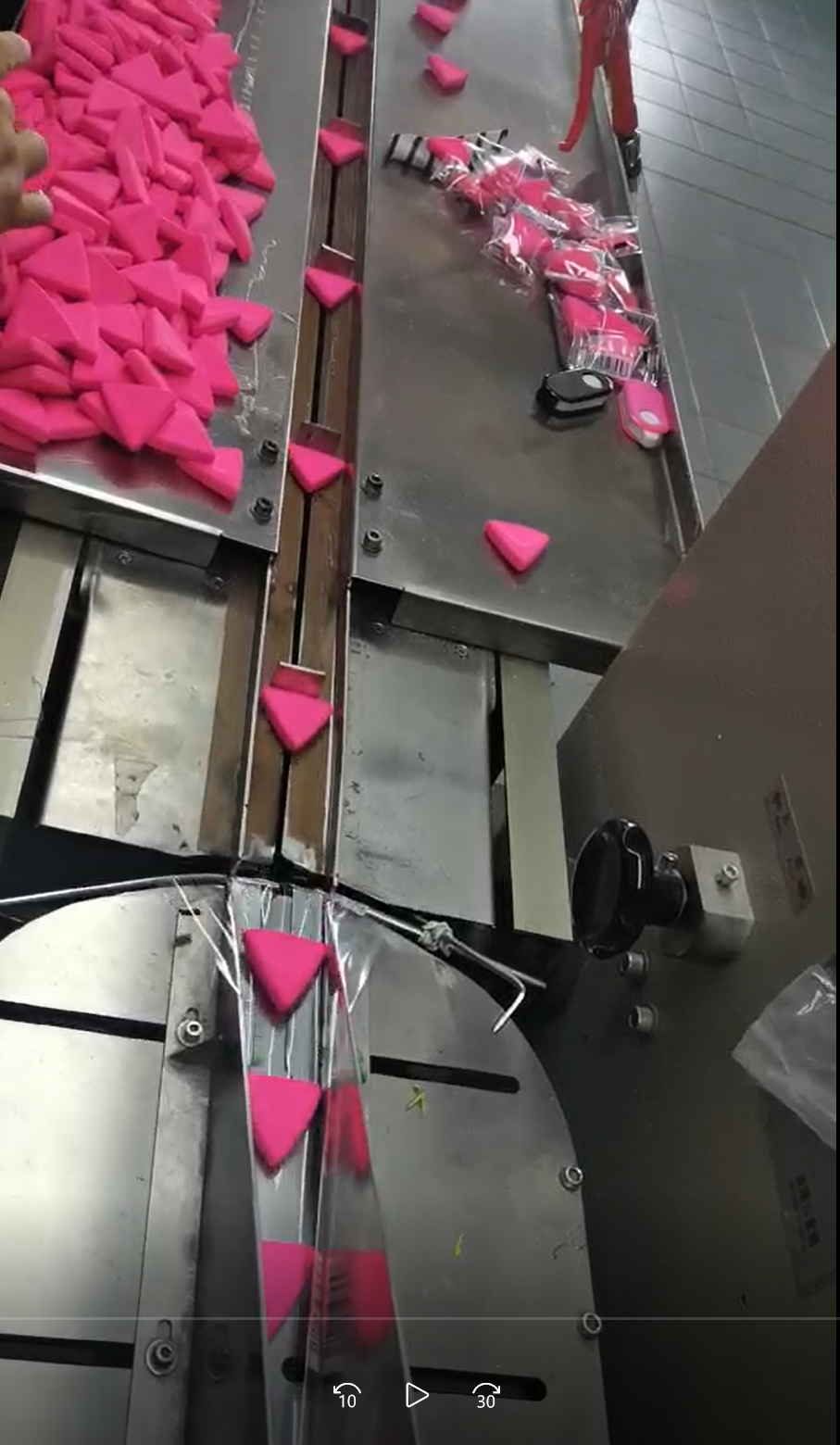
Next step: sample, specification or quotation
If you are specifying an eraser sharpener, a pencil topper, or an integrated multifunctional sharpener for a precision-work program, Greenwill can supply a physical sample and a quotation against your interface and compliance requirements. Share your target market, intended user age group and application, and the team will confirm material grade, tooling and acceptance criteria before production.
Website: www.greenwillplus.com | Blog: blog.greenwillplus.com
Tel / WhatsApp: +86-15151678868 | Email: james@tinlongworld.com
Address: No. 551, Jujin Road, Zhangpu Town, Kunshan City, Jiangsu Province, China
Have Questions or Need More Details?
Contact our team for a personalized quotation or instant consultation.
Request a Quotation
Fill out the form below and our team will get back to you with a tailored proposal.
WhatsApp Direct Chat
Prefer to chat in real-time? Message us on WhatsApp for instant assistance & quick answers.
- Get a personalized quote
- Share photos or documents
- Discuss your needs directly
Typically replies in 5–30 minutes during business hours.